|
||||
|
|
Alex has spent a lifetime in the sewing industry and is considered one of the foremost experts of pioneering machines and their inventors. He has written extensively for trade magazines, radio, television, books and publications world wide.
Most of us know the name Singer but few are aware of
his amazing life story, his rags to riches journey from a little runaway
to one of the richest men of his age. The story of Isaac Merritt Singer
will blow your mind, his wives and lovers his castles and palaces all
built on the back of one of the greatest inventions of the 19th century.
For the first time the most complete story of a forgotten giant is
brought to you by Alex Askaroff.
See Alex Askaroff on Youtube:
http://www.youtube.com/watch?v=3mJYS44Vc8c&list=UL |
|||
|
Remington Sewing Machines
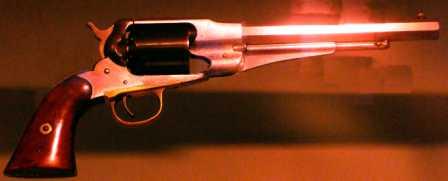
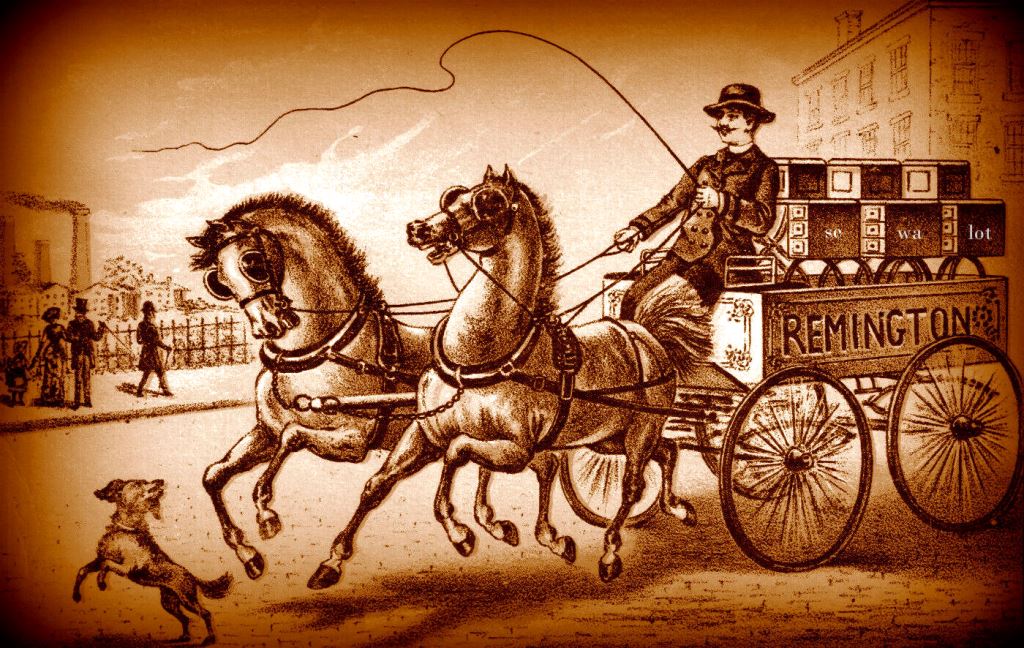
Many of you will know the famous Remington business as one of the United States oldest gun makers but they also made other items from typewriters to sewing machines (even the writer Agatha Christie typed on one). Remington is still one of the largest firearms producers in America. Remington products can be bought world-wide including the ever popular Stren fishing tackle.
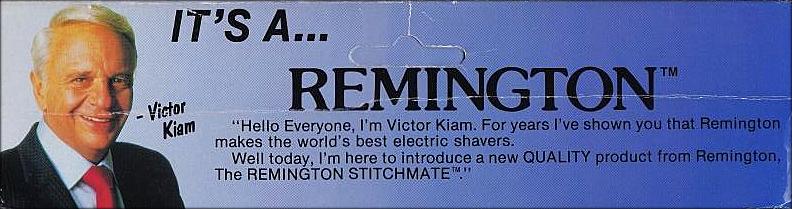
In 1937 Remington went into the production of superb shavers which they still supply today. The adverts by Victor Kiam were on the television when I was growing up. "I was so impressed with the shaver I bought the company!"
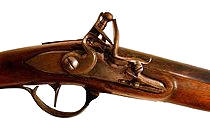
However what we are concerned about on Sewalot is a period in their history when they diversified from arms manufacture into sewing machines. For a short period in the 1970's they dabbled with a cheap hand held chain stitch but we are going back to when they made and sold some of the finest sewing machines in the world. Remington, Ilion Gulch Founded by Eliphalet Remington in 1816. First based in Ilion Gulch, New York, at his fathers forge and then in a separate foundry in Ilion, the business grew, as did the family, becoming E. Remington & Sons. The legend tells that Eliphalet Remington II beat out his own rifle barrel in his father forge and went on to win second prize at the local shooting competition in 1816. That same year, with several requests for rifles from other marksmen and hunters, Eliphalet Remington II started the world famous company. Moving closer to the Erie Canal in 1828 allowed for easier shipping from the foundry. Unfortunately Eli Senior was accidently killed while moving to the new premises. Above you will see one of the very early flintlocks, aim, close the eyes and fire. The smoke they produced filled the battlefields during wartime! Remington Mohawk Valley Relocating part of the business and foundry to Mohawk Valley in 1828 the company concentrated on perfecting their rifle barrels at their new forge. Amazingly Ilion Gulch, New York, is still used by Remington today and in 2016 they celebrated 200 years as America's oldest gun makers. During the early pioneering days of America the gun business boomed, then in 1861 came the blood and guts of the American Civil War. Gun producers had a field day and business was great. However between all wars there is peace and by 1865 there was a sudden drop in demand for firearms. The company had to diversify to survive, there was not the hobby culture of today and certainly no gun clubs! Remington looked around at the market to see what other products they could produce along with their firearms.
Remington ,America's first cycle manufacturers! During this period the company tried many new ventures including the manufacture of 100, 25 horsepower Baxter steam-cars. They also made the Baxter Steam Canal Barge. Well, they were in the right place for those eh! Remington are also credited by many as making the first American early bicycles called velocipedes and are credited with founding the American cycle industry. Not bad eh! Their superb mass production engineering skills could make anything that would sell. The factory was booming.
The list goes on, pumps, pill dispenser machines, lathes, cigar making machines even burglar alarms! Did they include their firearms in the burglar deterrent? Run for your lives the house is protected by a Remington Alarm! Bang...too late! All this diversifying kept their factory and workers busy in peacetime. Now onto our sewing machines... Around 1869 the Remington Company initiated talks with the Empire Sewing Machine Co and in October 1870 the paperwork was formally exchanged. Empire Sewing Machine Co The Empire Sewing Machine Co of New York, had been a reasonably successful sewing machine firm based in New York. Starting just about the same time as the American Civil War. In 1861 they had three machines in their range. The Empire No I Lockstitch and continuing with the Improved Empire and Empire Model 3. Except for their first chain stitch model, they were all basic lock-stitch machines. The patent dates and serial number were stamped on the front needle plate. Around 15,000 no 1 machines were made and around 12,000 Improved Empire's.
There is also evidence of a paw-foot Empire from the early 1860's. It is possible that this was the first Empire sewing machine and may even pre date their 1861 models. It could have been made by them or more likely bought in from other manufacturers like Shaw & Clark but sold under the Empire name while they were setting up their own production line. This was a chain-stitch machine unlike all the other shuttle lock-stitch models they made.
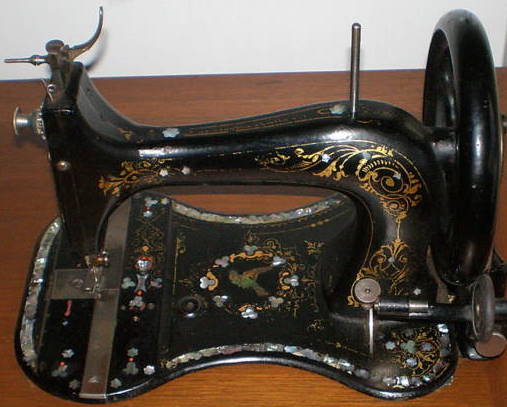
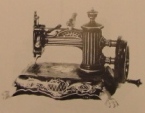
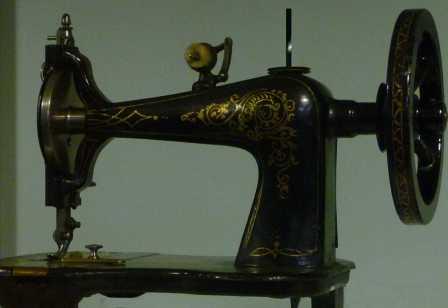
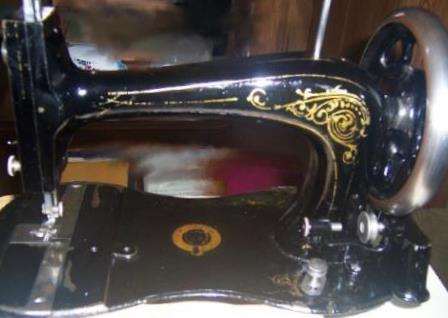
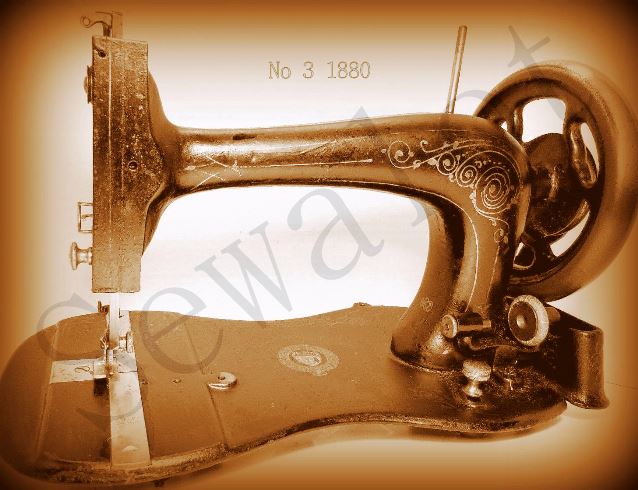
Some of the Empire machines were beautifully finished. A few even had mother-of-pearl inlay and hand painted flowers around a black enamel base and gold transfers. The style above became commonly known as 'fire hydrant' sewing machine and 'pillar' sewing machine.
The Remington
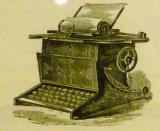
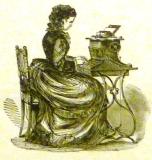
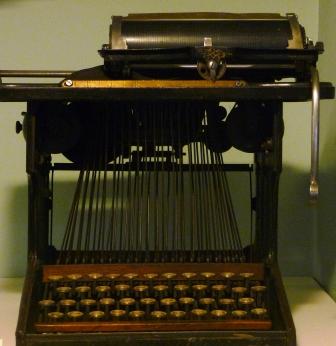
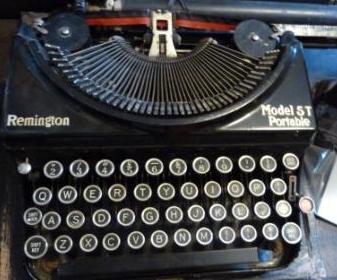
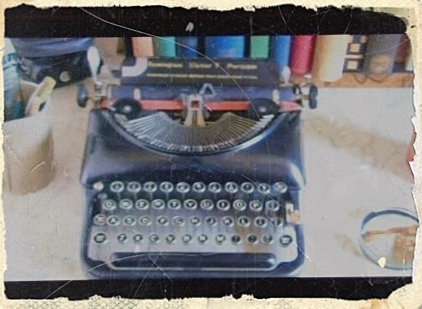
Empire The Empire Company sold out to Remington in 1870, their best manufacturing year. That year they produced 8,702 sewing machines. The company became the Remington Empire Sewing Machine Company from 1870-1873 then the Remington Sewing Machine Agency from 1874-1902 The Remington Sewing Machine Agency But Remington was also looking elsewhere for more products to make and sell in peacetime. In 1873 Remington also started making typewriters. Using their mass-production techniques they could make and sell the typewriters at affordable prices. I believe their first typewriter was designed by Christopher L Sholes and Carl Glidden. The name Type-Writer was thought up by Sholes. Remington purchased the rights to manufacture and away they went. The Remington Qwerty Typewriter Launched July 1, 1874 To avoid the keys jamming Sholes & Glidden arranged the letters in the QWERTY system that we still see today. Their first machines printed in capitals letters only! Now the company was making arms, sewing machines and typewriters. The latter was new technology that most of the world had yet to see or use. It was a brilliant stroke of genius to incorporate some of the castings of the first typewriters into the sewing machines, they both utilised the same cast iron treadle base.
And so in 1876 the Remington No I Typewriter was born. I will touch on the typewriters as they are part of the story and then I'll get back to the sewing machines. Be patient, this has taken me months to research. Just sit back and read on!
The Remington Arms Company Marketed as the Remington Arms Co No I Typewriter it took the world by storm. Remington had their head European office in London at 50-54 Queen Victoria Street London East Centre.
They advertised their new machine as the model to supersede the pen! How fabulous was that. Luckily Mr Biro, many years later, ignored them!
The Type-Writer was a huge success. However, what with wars springing up everywhere, the company decided to concentrate on its arms and in 1886 sold the typewriter side of its business. The typewriters then became Remington Brand machines. They leave our story.
Remington Sewing Machines
Now lets look at the
Remington Sewing Machines. By 1870 Remington was still using the Empire
name (the sewing machine company they bought out) on its own sewing
machines. Their marketing was fierce. It had to be it was up against the
giants of the day. Wheeler & Wilson,
Willcox & Gibbs and off course the
biggest of the all Singer. In 1865 Singer had brought out their superb
model 12 which was the first of the really good sewing machines of the
period.
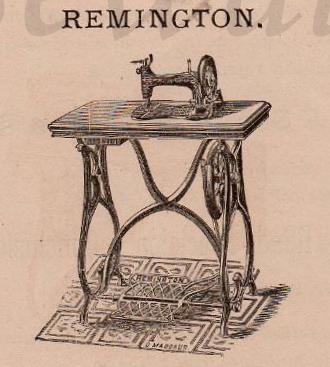
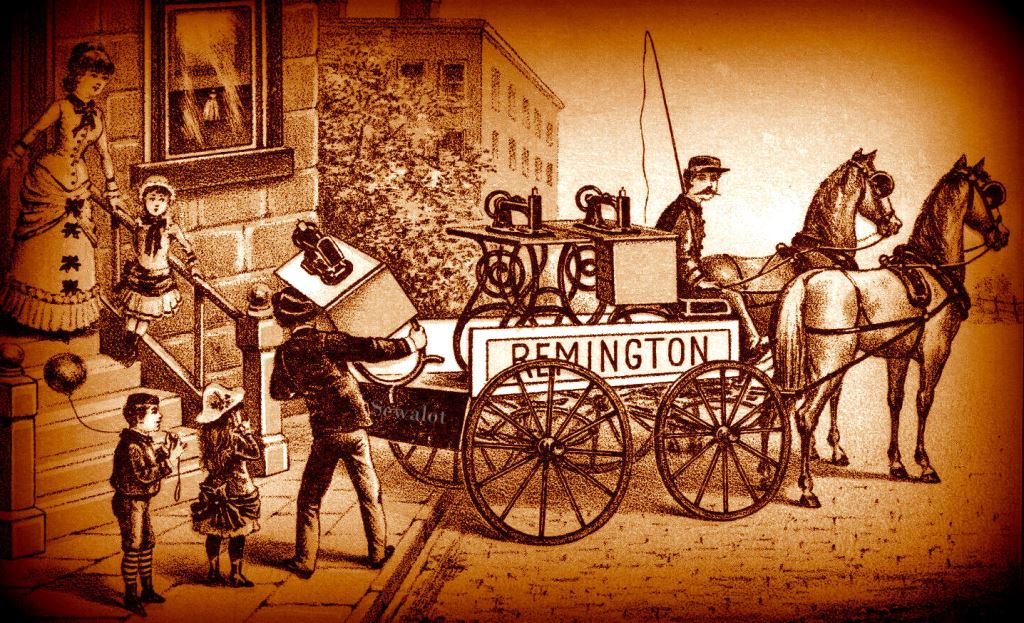
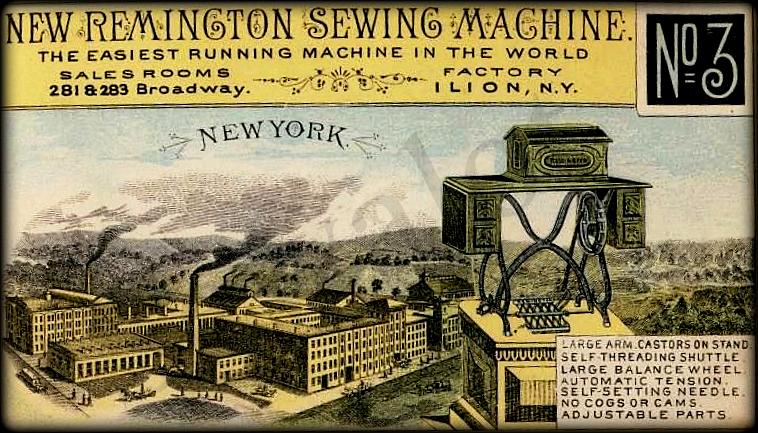
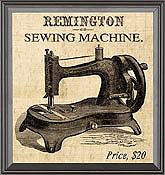
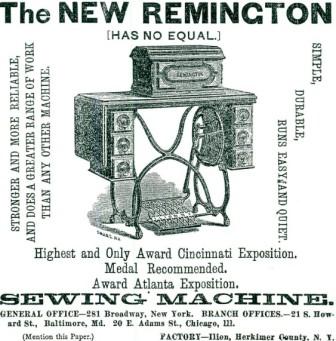
Remington had their general office at 281 Broadway in New York (not far from Singers) with offices in Howard Street and Baltimore Road. By 1873 they had dropped the Empire name. Now the big difference between the machines was that Remington, with their huge experience in mass production, managed to make and sell their lock-stitch for only $20, far below some of their competitors. In the summer of 1874 Remington brought out the Remington No 2 treadle machine with a drop-leaf table. The most expensive model retailed at over $70 if you had the optional side-drawers. One of their machines won the only sewing machine award at the Cincinnati exhibition and another award at Atlanta. Along with their countless medals for their firearms Remington was building itself a name that was synonymous with quality and reliability.
Remington sold there basic model with many extras and additions. You could have a basic treadle or one with drawers down one side or both. If you were wealthy or had a nice rich aunt you could go for the super-deluxe walnut enclosed cabinet costing nearly double the basic machine price. Most Remington machines from 1870 were marked with a circular Remington badge in the middle of the sewing bed of the machine. Advertised as the machine with no equal the Remington machines sold in their thousands. The company had the benefit of their quality name in firearms to help sell their sewing machines. Apparently during The Great Chicago Fire of 1871 that burned from Sunday October 8 to early Tuesday October 10 destroying around four square miles in Chicago, one of the Remington factories was destroyed. The fire was one of the largest U.S. disasters of the 19th century Strangely Remington never managed the same success as the company they bought out, Empire. In their best year Remington still only produced 25,000 machine. That was 1875. Really by then they should have been producing double that. From 1875 production gradually fell. The death knell was ringing for Remington sewing machines.
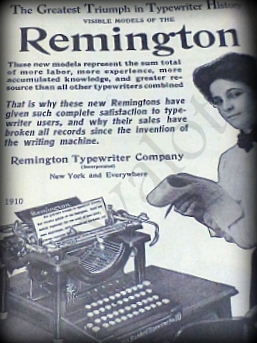
The greatest triumph in typewriter history since the invention of the writing machine, The Remington Qwerty Keyboard
By the the end of the First World War Remington had removed themselves from typewriters and decided to concentrate primarily on firearms manufacture. This coincided with a huge recession in North America where domestic sales slumped. However long before this time in 1894, they had already downsized their sewing machines. All good things come to an end. A massive increase in the production of firearms at that time led to the decision to concentrate on their main market and drop the sewing machines altogether.
In 1896 production of treadles stopped. Possibly the foundry was modernised for arms. From 1896 Remington continued with hand cranks only which were mostly exported.
In the 1902 Remington firearms catalogue they were still listing sewing machines but this is the last reference I have come across. And so the Remington sewing machine history comes to a close. By the end of production in 1902 as many as 75,000 sewing machines had been made. Some still survive today and the early models fetch great money and are prized amongst serious collectors. Really, talking about Remington we should have finished with a BANG!
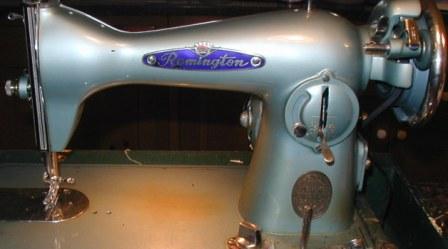
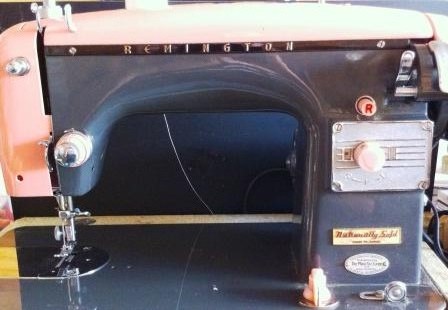
The End...Almost. One final point. During the late 1950's the Remington sewing machine in name was reborn and put onto an imported modern machine, basically a copy of a Singer 15 and a few far-eastern zig-zag machines. These machines have nothing to do with the early Remington machines made in America. These were probably early Brother or Janome machines from Japan. Brother who were manufacturing in Nagoya, Japan certainly made superb sewing machines (but the weight of baby elephants).
News Flash! Alex's books are now all available to download or buy as paperback on Amazon worldwide.
"This
may just be the best book I've ever read."
"My five grandchildren are
reading this book aloud to each other from my Kindle every Sunday.
The way it's written you can just imagine walking
beside him seeing the things he does. News Flash! Alex's books are now all available to download or buy as paperback on Amazon worldwide.
Most of us know the name Singer but few are aware of
his amazing life story, his rags to riches journey from a little runaway
to one of the richest men of his age. The story of Isaac Merritt Singer
will blow your mind, his wives and lovers his castles and palaces all
built on the back of one of the greatest inventions of the 19th century.
For the first time the most complete story of a forgotten giant is
brought to you by Alex Askaroff.
|
||||
|
Well that's it, I do hope you enjoyed my work.
I spend countless hours researching and writing these pages and I love to hear from
people so drop me a line and let me know what you thought:
alexsussex@aol.com
Fancy a funny FREE read: Ena Wilf & The One-Armed Machinist
Hello Mr Askaroff Sewing machine Tension Problems!
|
||||