|
Home of the Sewalot Site
By Alex I Askaroff
For antique and vintage sewing machines
Sewing Machine Fault Finder Sewing Machine Tension Problems
The
L. O. Dietrich Sewing Machine Company Alex I Askaroff Alex has spent a lifetime in the sewing industry and is considered one of the foremost experts of pioneering machines and their inventors. He has written extensively for trade magazines, radio, television, books and publications world wide. Over the last two decades Alex has been painstakingly building this website to encourage enthusiasts around around the Globe.
Instant download now available
Most of us know the name Singer but few are aware of his amazing life story, his rags to riches journey from a little runaway to one of the richest men of his age. The story of Isaac Merritt Singer will blow your mind, his wives and lovers his castles and palaces all built on the back of one of the greatest inventions of the 19th century. For the first time the most complete story of a forgotten giant is brought to you by Alex Askaroff.
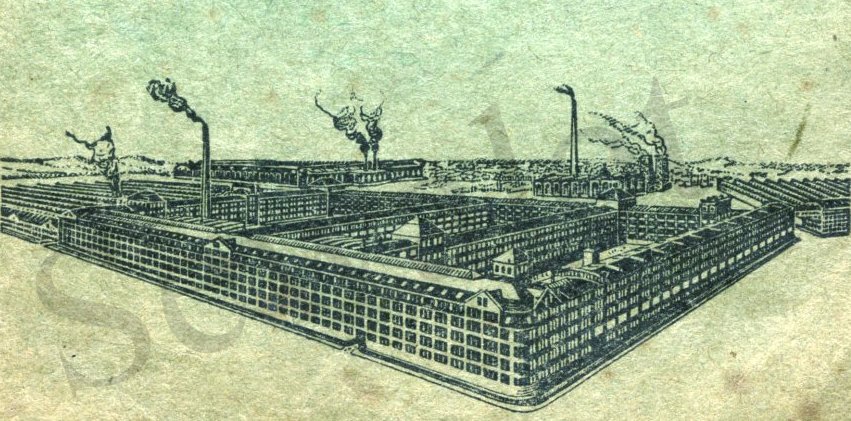
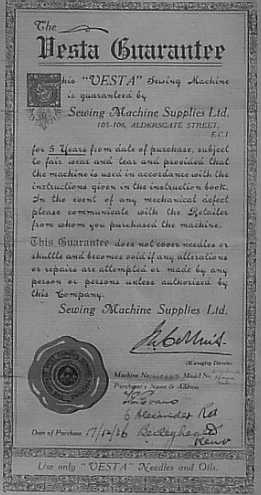
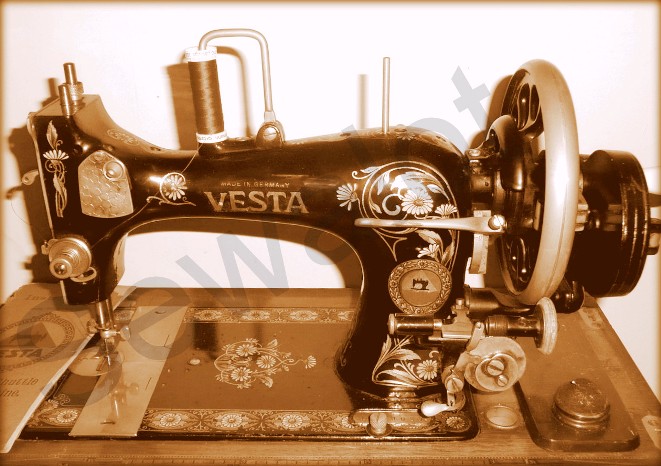
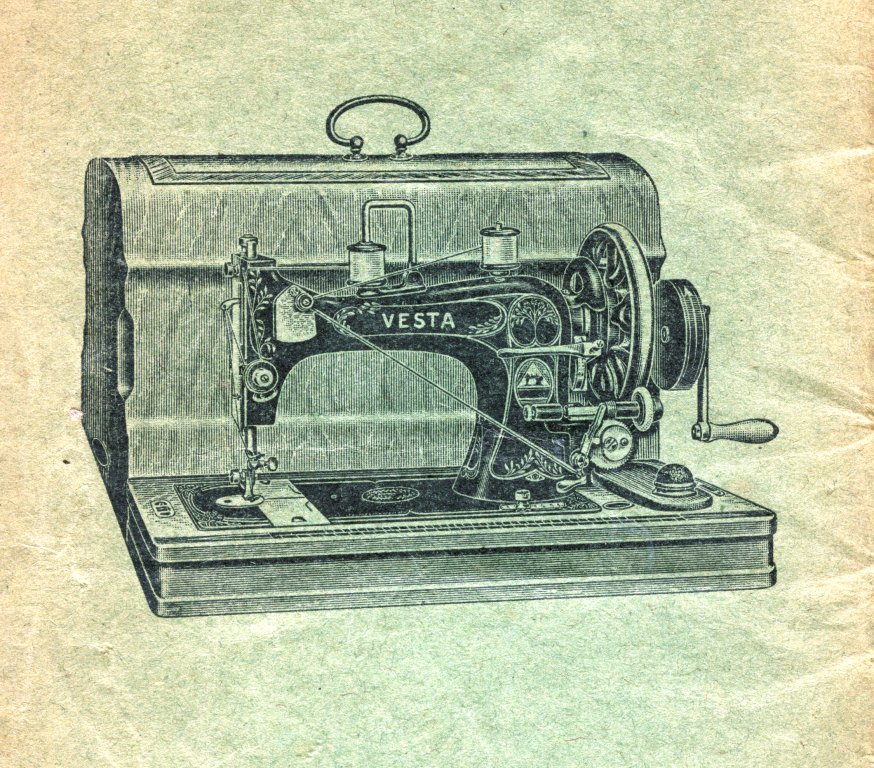
The Vesta Sewing Machine Company
See Alex Askaroff on Youtube http://www.youtube.com/watch?v=8-NVWFkm0sA&list=UL The Vesta Avenue Sewing Machine
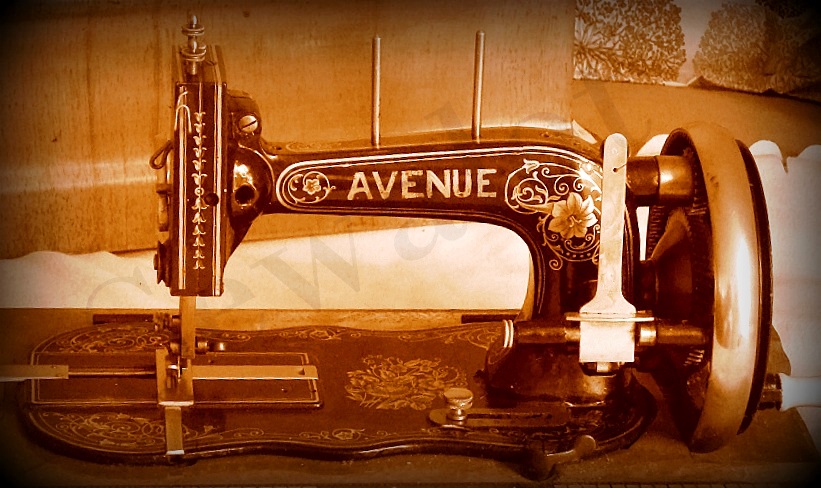
The Vesta Avenue Sewing Machine
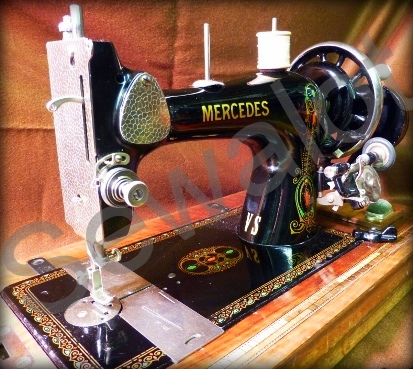
Mercedes Sewing Machine
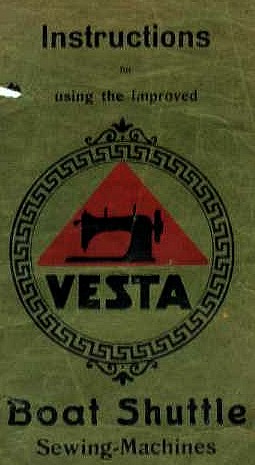
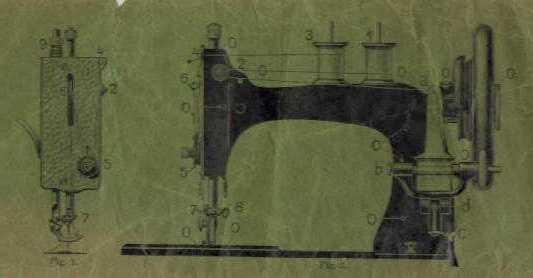
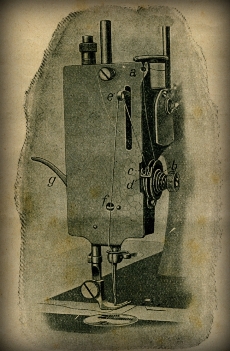
Threading your Vesta sewing machine
|
|||
|
OUT NOW!
Most of us know the name Singer but few are aware of his amazing life story, his rags to riches journey from a little runaway to one of the richest men of his age. The story of Isaac Merritt Singer will blow your mind, his wives and lovers his castles and palaces all built on the back of one of the greatest inventions of the 19th century. For the first time the most complete story of a forgotten giant is brought to you by Alex Askaroff. News Flash! Alex's books are now all available to download or buy as paperback on Amazon worldwide.
"This
may just be the best book I've ever read."
"My five grandchildren are
reading this book aloud to each other from my Kindle every Sunday.
The way it's written you can just imagine walking
beside him seeing the things he does. News Flash! Alex's books are now all available to download or buy as paperback on Amazon worldwide. Fancy a funny read: Ena Wilf & The One-Armed Machinist
Well that's it, I do hope you enjoyed my work. I have spent a lifetime collecting, researching and writing these pages and I love to hear from people so drop me a line and let me know what you thought: alexsussex@aol.com. Also if you have any information to add I would love to put it on my site.
Alex Sussex:
Your website surprised and delighted me. I've collected and enjoyed
aesthetics and history of sewing devices in America, and now know much
more. Thank you.
Vesta: My great grandfather Frederick Berryman emigrated out of
Prussia-Saxe Coburg, Thuringia area (now Coburg County in Bavaria) in
1850, one of many leaving after failed 1848-49 unification effort.
Years later he became a postmaster in East Texas. It was the then for
postmasters to submit a name their post office or community to the US.
Postal OFfice. Frederick named it VESTA, Texas (1874-1901). The
older generations of family didn't think to ask, and we younger
generations only speculate: Frederick was an educated man, knew
Latin, so evoking the goddess of fire and hearth is quite possible.
Also there was a mid-1800s riverboat into East Texas named The Vesta,
which he probably traveled on from Galveston to Sabine County TX. In
Coburg there is a castle/fortification called The Vesta, but usually
spelled with an E, Veste--which might be an ironic or nostalgic
comment. In our searches for the use of VESTA in mid-1800s we've
found a few other towns in German areas and in German immigrant areas
of the US.
Thank you!
Martha Berryman
Texas USA
Dear
Alex,
Thank you for your article about L.O. Dietrich and
Vesta sewing machines and for your invaluable website. My Meister
Klasse 101 is a direct descendant of the Vesta line. A Vesta
engineer named Stark moved to Schweinfurt, Germany after the war and
teamed up with Friedrich Meister, who had been a major Vesta dealer.
Their Meister-Werke company produced sewing machines based on a
Vesta that Stark had brought with him. The Meister company, as you
probably know, was taken over by Viking Husquvarna around 1980.
Dear Sir Alec,
Sewing Machine Fault Finder Sewing Machine Tension
|
|||
|
CONTACT: alexsussex@aol.com Copyright © |
|||