|
|||||
|
|
Alex has spent a lifetime in the sewing industry and is considered one of the foremost experts of pioneering machines and their inventors. He has written extensively for trade magazines, radio, television, books and publications world wide and currently has had SEVEN No1 New Releases on Amazon.
See Alex Askaroff on Youtube http://www.youtube.com/watch?v=8-NVWFkm0sA&list=UL
Most of us know the name Singer but few are aware of
his amazing life story, his rags to riches journey from a little runaway
to one of the richest men of his age. The story of Isaac Merritt Singer
will blow your mind, his wives and lovers his castles and palaces all
built on the back of one of the greatest inventions of the 19th century.
For the first time the most complete story of a forgotten giant is
brought to you by Alex Askaroff. |
||||
|
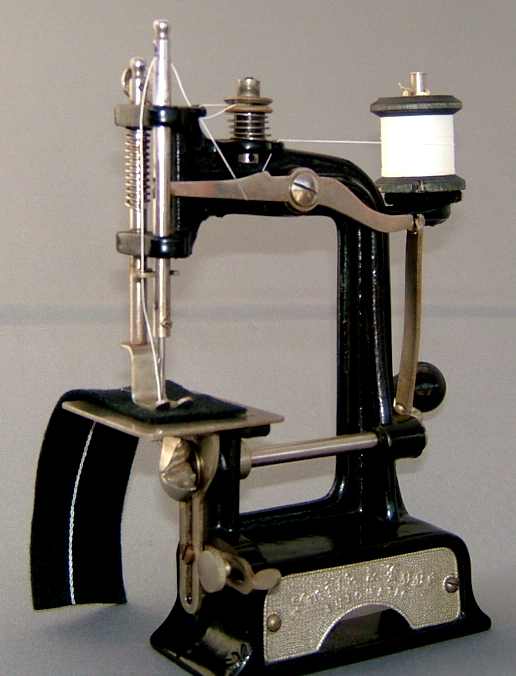
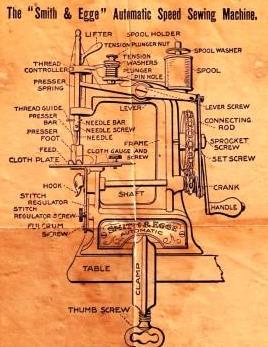
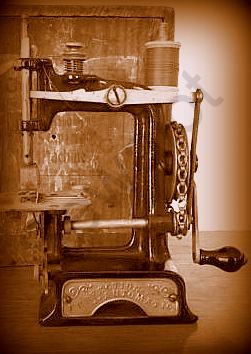
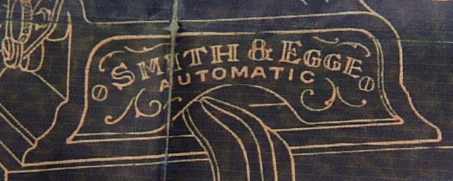
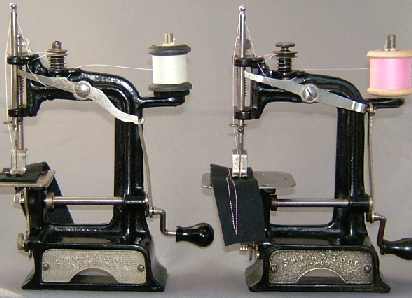
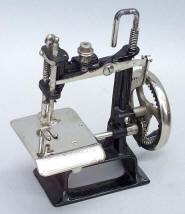
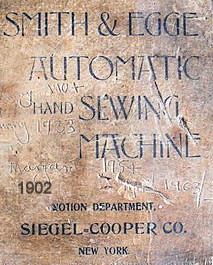
The Smith & Egge Automatic circa1896
Although over 50,000 Smith & Egge machines were possibly made around the turn of the 19th century, (under various names, hence the complex title to this page) only around 1,000 are known to exist today. Let me tell you what I have learnt about these sought after American beauties.
William Smith & Frederick Egge started their company around 1873-4 in Bridgeport, Connecticut. However they did not start making sewing machines for many years. In fact the sewing machines were made in Department N at their Bridgeport works.
So heaven knows what was made in units A-M! Unusually with partnerships both were skilled engineers and inventors, often one is the money man the other the one with the design ability but with Bill & Fred they were both exceedingly gifted but it was Frederick Egge who was better at designing the intricate mechanisms of the padlocks. Smith & Egge chain drive
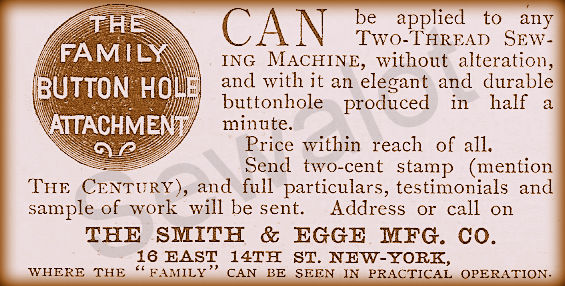
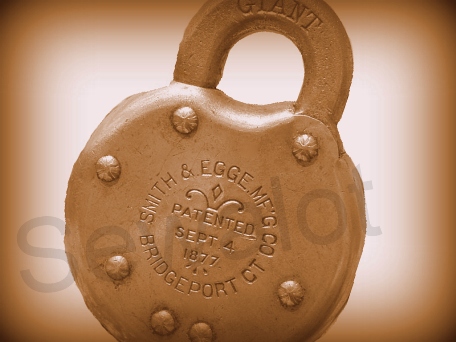
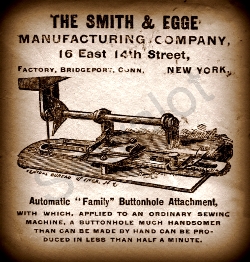
Smith & Egge also had premises at 16 East 14 Street, New York, under the Smith & Egge Manufacturing Co. They made automatic button hole attachments for normal sewing machines at the plant. Eventually they would have businesses all over the world. Smith & Egge 1877
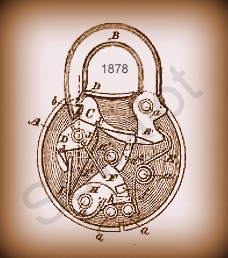
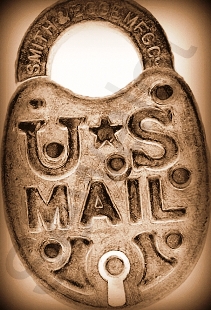
United States Patent Office At first Bill and Fred did not make sewing machines but tamper proof locks concentrating on small locks for things like letterboxes and lockers. They won several government contracts with their Giant Padlock, not because it was a large padlock but because it had giant strength and a unique internal movement.
All this helped their expanding empire and before long they became successful business men and entrepreneurs turning their manufacturing hands to anything that would make them money. Frederick Egge went on inventing right into old age. Patent No 207407
Would anybody out there in Internet land have a picture of Smith or Egge? I would dearly love a copy for this page, maybe a distant relative? alexsussex@aol.com
For nearly 20 years the partners invented and made locks, keys and chains for the American Postal Service and sewing machine cases as well as other hardware, in fact the list is endless, they were manufacturing dynamite.
In fact they also made great chains in all shapes and sizes on specially invented machines. The smallest of which would appear on some Smith & Egge sewing machines in 1896. The chain drive was unnecessary and although it looked great it was later done away with and a simple wooden handle replaced it.
The Smith & Egge chains were very popular including ones for sash windows replacing the ropes that often rotted and broke. All sash chains were guaranteed for 10 years but lasted much longer. Smith & Egge set up plants all over the world manufacturing these sash-chains. William Smith came to England around 1891 to set up The Automatic Chain Company, Birmingham. The company survived long after its American counterpart had disappeared. Some of their chains also survive today, maybe your very sash windows are helped along by internal Smith & Egge chains and weights.
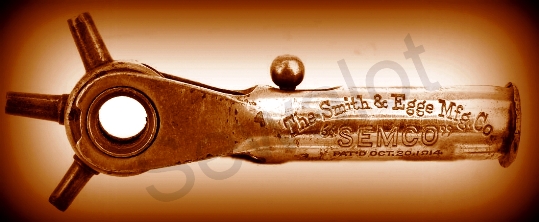
Smith & Egge were manufacturing experts and could turn their hand to almost anything from bicycle wrenches to sewing machine parts, especially their button hole attachments which claimed could make a complete buttonhole in under 30 seconds. Oh how I would have loved to walk around their huge factory in Bridgeport, Connecticut.
After years of supplying bolt-on accessories and parts to some of the sewing machines companies of the period such as Singer and Wheeler & Wilson, the writing was on the wall, why not make their own complete Smith & Egge sewing machines!
It was not long before the successful partnership studied the sewing machine market and noticed that although there were countless suppliers of big sewing machines, only a handful of manufacturers bothered with toy sewing machines. 2 June 1896 Department N was born (23 years after the company was initially formed) it was a complete unit dedicated to the manufacture of their first toy sewing machines. Their S&E small sewing machines were produced for over a decade from around 1896 to 1906 and some real beauties came out of there. Smith & Egge won an excellent early contract with the massive Wanamaker store supplying the first store sewing machines. A few survive today with the Wanamaker mark on them rather than Smith & Egge. These are dearly sought after. Interestingly Wannamaker made sure to state that their machines were not toy sewing machines but sold as smaller versions of full size sewing machine models. This was in complete opposite to the New York toy store called Schwarz who sold the Smith & Egge as a toy! I wonder if they saw a hole in the New York market? The market for a small portable sewing machine was huge and millions were being made by companies selling a product that every household wanted.
By 1890 the every-day humble sewing machine, invented only a few decades before by Elias Howe in 1846, had been described in one of the periodicals of the day as possibly the greatest invention of the Victorian era.
Wheeler & Wilson, just up the road from Smith & Egge, was fast becoming the largest sewing machine manufacturers in America and a thorn in the side of Singers who later managed to buy their factory and level it! One way of removing competition I suppose.
There is a possibility that Smith & Egge (as experienced toolmakers) were possibly supplying their neighbours, Wheeler & Wilson with machinery, equipment and small sewing machine parts.
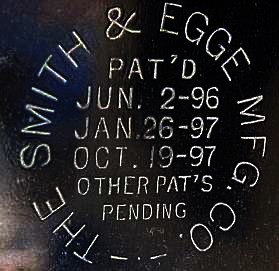
Patents were taken out for their first sewing machine on June 2nd 1896 and then further improvements on Jan 26th 1897 and Oct 19 1897.
1896
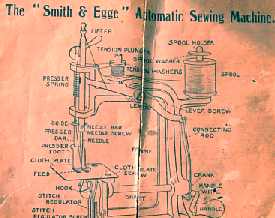
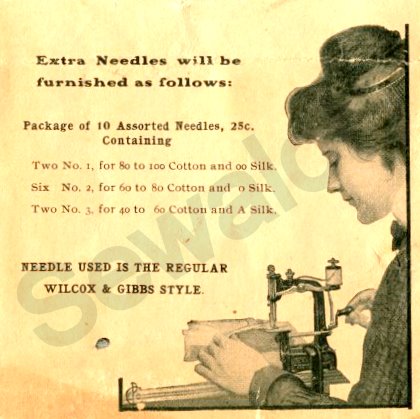
Now, there were several varieties of basic machine, all chain stitch with loopers very similar to the Willcox & Gibbs one but of inferior casting. For those still with me, it is interesting to note that a Willcox & Gibbs needle works perfectly on the Smith & Egge machines. They also used a simple automatic tension that was lifted, each stroke, by the needle bar arm, hence the word automatic in their advertising.
Early Smith & Egge machines had a brass looper/hook but it was easily worn and soon replaced. (That is one way of dating the early S&E machines). Smith & Egge were brilliant at marketing their little machine, they sold some as toys then changed track and sold them as adult machines. Macy's sold them as girls toys while others advertised them as adult machines. In fact they used a double edged attack, advertising their machines as not a toy but simple enough for children to use! Sneaky eh!
The 30oz machine was sold with vigour to many large stores and this is where names change on the basic models. All machines were supplied with a sweet clamp to attach it to a chair, windowsill or table, or wooden leg if you were a pirate, arrrgh!
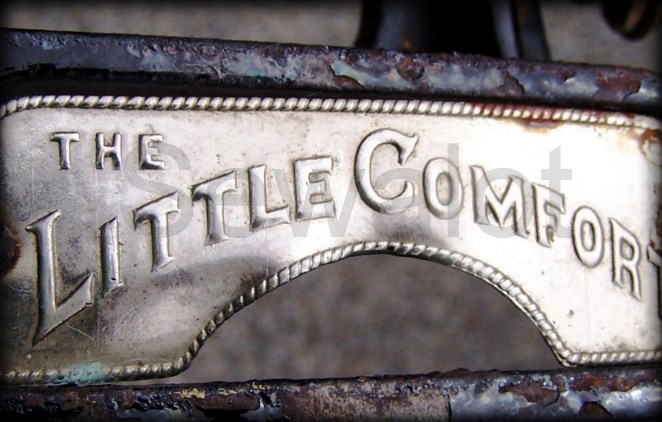
Note: The Wilcox & Gibbs chain stitch needles fit and work perfectly in the Smith & Egge Little Comfort machines.
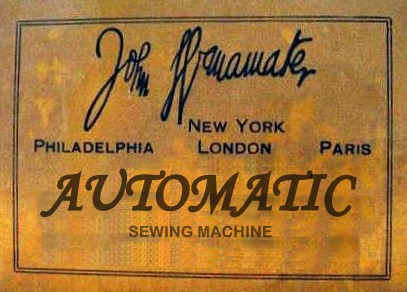
John Wanamaker and Smith & Egge
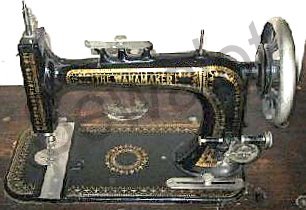
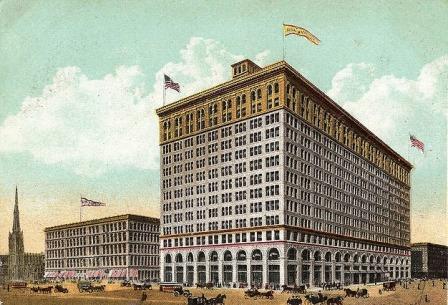
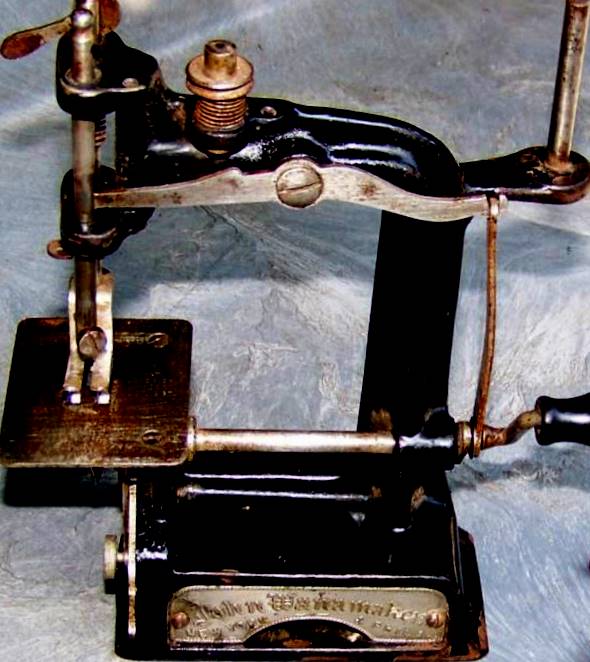
John Wanamaker's department store was the first department store in Philadelphia, Pennsylvania, and one of the first real department stores in the United States. At its peek around 1910 there were two major Wanamaker stores, one in Philadelphia and the other in New York. The Wanamaker stores sold the Smith & Egge machine with the Wanamaker badge on the front.
The stores also sold a Willcox & Gibbs clone. The beautiful machine was known as the Wanamaker Automatic.
The models I have seen so far that were probably all made by Smith & Egge are as follows: Smith & Egge
sewing
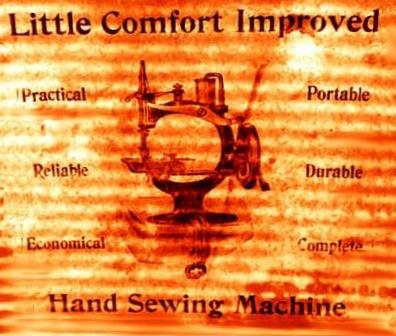
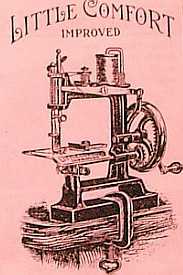
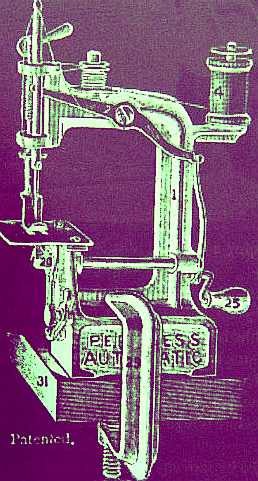
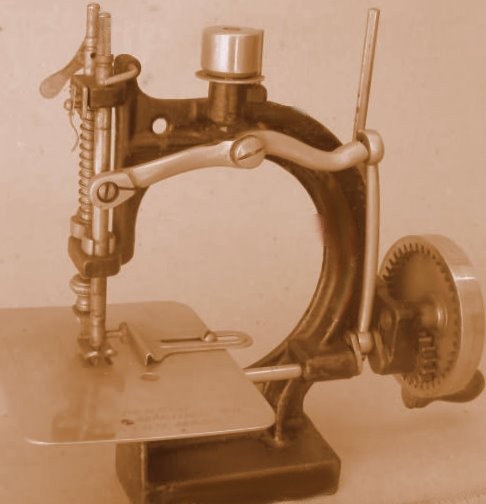
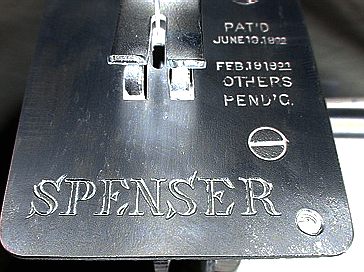
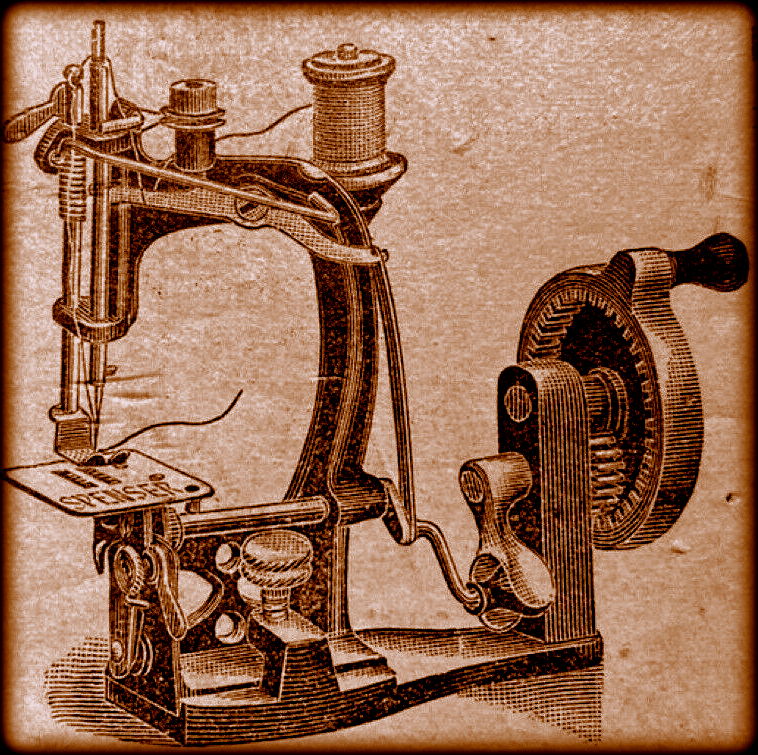
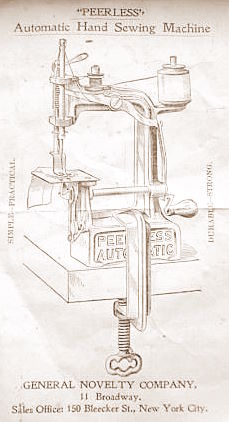
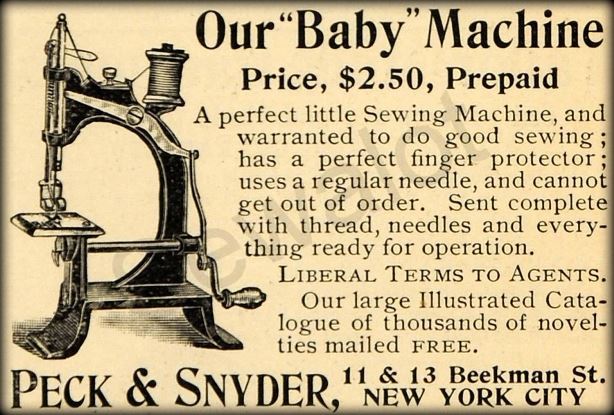
machines Smith & Egge Automatic sewing machine Little Gem sewing machine Knickerbocker hand sewing machine Cordova sewing machine Peerless Automatic sewing machine, (see picture below) Automatic sewing machine Baby Sewing Machine ( I'm nearly 100% sure this was made by Smith & Egge). The Smith & Egge Little Comfort Automatic sewing machine Improved Little Comfort sewing machine (rounded shape) Little Comfort Improved Mk II sewing machine (rounded model) Reliable sewing machine Wanamaker Sewing Machine for John Wanamaker, (large retailer in New York and Philadelphia) Schwarz Toy Sewing Machine, (Famous New York toy shop. Hey I thought it wasn't a toy!) Spenser sewing machine Perfection Automatic sewing machine Peck & Snyder Baby Sewing Machine
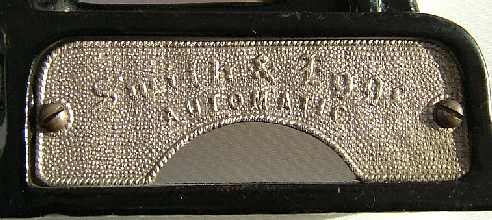
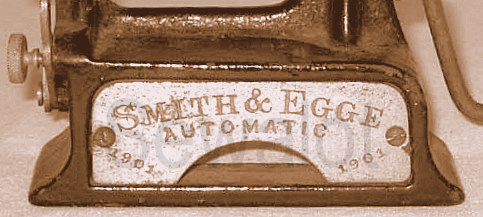
By simply changing the front plate Smith & Egge could put whatever name you wanted on their machines. We know that one of the most popular models was the Little comfort and as production at Bridgeport expanded sales rocketed. It was not long before they were boasting of over 50,000 machines sold!
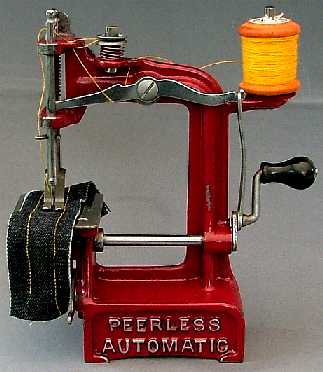
The Peerless Automatic, same Smith & Egge manufacturer different badge.
The average price for the models around the turn of the century seemed to be between $2-$4 depending on which store you bought your machine from. Funnily on a few models they just had to use their chain manufacturing ability, probably as a novelty, instead of shafts but they were soon replaced for economic simplicity.
The quality of there machines was undeniable and they produce a fine chain stitch through multiple layers of cloth. No wonder they sold so well.
The Smith & Egge weighs only 30 ounces. It has automatic tension and stitch feed regulator. The machine can be clamped to the arm of a chair, edge of the table or any furniture. The machine is small and portable and ideal to be carried by handbag or trunk. Although Smith & Egge had manufacturing premises around the world making various machine parts, including Birmingham in England, it was only in America that the little beauties were made.
Spenser Sewing Machines
Spenser hand wheel attachment
I am not 100% sure when or why the company stopped making sewing machines but I am guessing the sewing machine side disappeared around 1910 but I would love to hear from anyone with any more information on this point. alexsussex@aol.com Frederick Smith died at the ripe old age of 88 in 1917. The Peerless Automatic Sewing Machine
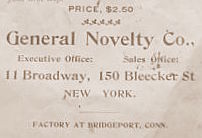
This beautiful and rare burgundy Peerless Automatic has the brass looper and the 1896 patent stamps on the needle plate. Note how similar all the models are. Smith & Egge soon changed the looper to hardened steel to cope with the sewing. Only the first models had brass loopers and it is one way of dating the machines. It is rare indeed to find one in this sort of condition but they are out there so keep searching. this one is in my Sewalot Collection. The Peerless sewing machine was sold by The General Novelty Company amongst others and mentioned on the box that it was made in Bridgeport. It cost $2.50 in 1890's
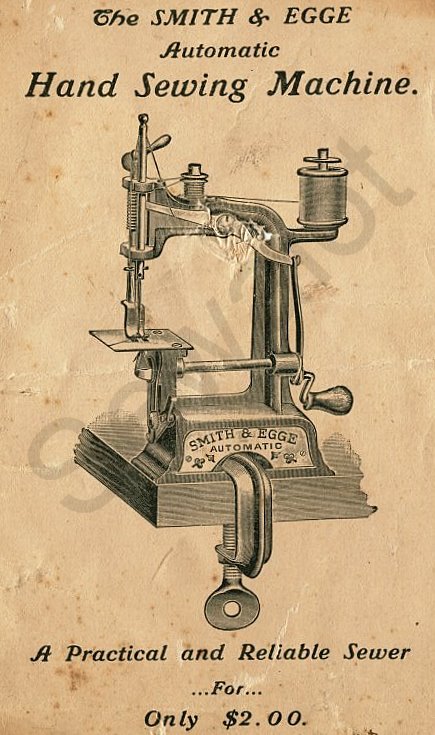
The Smith & Egge Automatic This is an excellent substitute for a large machine when space, cost or other reasons make larger machines impractical. Our machines are often purchased by those with larger machines so that they can always call upon their services. The chainstitch is far more practical for children's clothes. Physically strong with the highest testimonials. A practical and reliable sewer for only $2. This is not a toy but a practical sewer ideal for small quarters. Smith & Egge Values All the Smith & Egge machines are very popular with collectors and prices have been rising continually since the late 1980's. They seem to be fetching around $500 but, as always, it is all about condition. Although many were made most have been broken, lost or simply thrown away over the last century leaving only a few hundred survivors today.
Value obviously depends on condition and extras, some fine ones have fetched over $850 and as they become older can only rise in value. It won't be long before one crashes through the $1,000 ceiling and they won't stop there as more and more collectors seek out these rare beauties. They are sought after little pieces of history and look fantastic in any collection. I guess being made for such a short period, so long ago, they can only get rarer and more scarce so grab one while you still can!
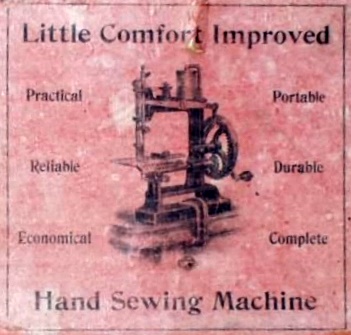
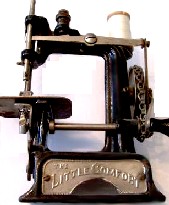
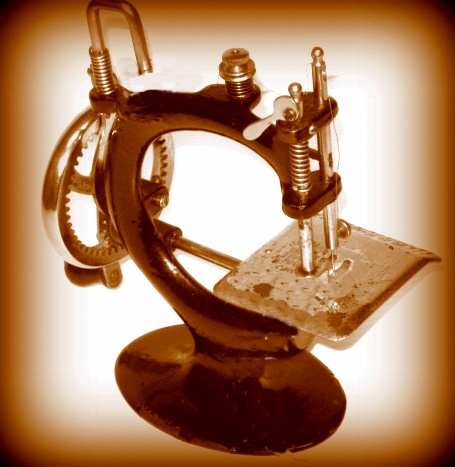
The Smith & Egge Improved Little Comfort Sewing Machine, note the rounded edge to the plate and hand wheel mechanism. The Improved was the smoothest of all their models.
Miller & Rhoads, Richmond, Virginia Suppliers of Smith & Egge sewing machines
The Baby Sewing Machine
|
|||||
|
News Flash!
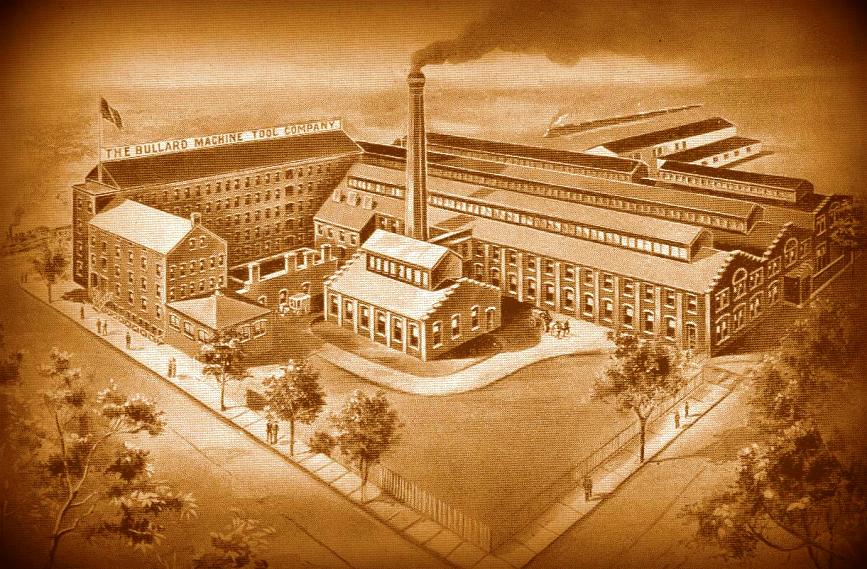
Most of us know the name Singer but few are aware of his amazing life story, his rags to riches journey from a little runaway to one of the richest men of his age. The story of Isaac Merritt Singer will blow your mind, his wives and lovers his castles and palaces all built on the back of one of the greatest inventions of the 19th century. For the first time the most complete story of a forgotten giant is brought to you by Alex Askaroff. A brief history of the Smith & Egge sewing machine company By Alex Askaroff All Alex's books are now available on Amazon This is the impressive Ives Blakeslee Bullard and the Smith & Egge factory complex 1905
Hi Alex I just came across your web site while researching my Wanamaker Chain Stitch Machine and I am just delighted with all the information you have, a real treasure for the sewing machine community. USA
Hi Alex.
I picked my Smith & Egge Chain drive "Automatic" to get ready to sell on Ebay. So I cleaned and fiddled with it. I wanted to get an idea of current values and so, after a time in ebay with no recent sales, I decided to look back at your great site. Well, now I don't want to sell it. Thanks for the site,
John & Elyse Hejny
Alex, Well that's it, I do hope you enjoyed my work. I love to hear from people so drop me a line and let me know what you thought: alexsussex@aol.com Hi Alex I can't imagine how much time and effort you have put into your site, and it's free! Thank you so much from one admirer on the other side of the pond. SB, Canada Hello Alex Askaroff Fancy a FREE great read: Ena Wilf & The One-Armed Machinist
|
|||||
|
|
|
||||
|
|||||